The Year In Music 2014: Spencer’s Picks

Ledges-CoverLOBy Spencer. As a music blogger, there’s no better time of year than now. Ranking the year’s best releases isn’t just an exercise in appreciating greatness; it’s food for argument. So expect plenty of that as our S&N contributors use the next few weeks to rank their favorite music of 2014. The comments section will no doubt be heated!

If you read my 2013 list over at After The Radio, you know I was less than impressed with last year’s output. My principal complaint? In a year of many good albums, there were no great ones. I’m happy to report that 2014 did not follow that trend. My top five albums this year were each perfect from start to finish.  Continue reading
The Critic: Thom Yorke’s Tomorrow’s Modern Boxes

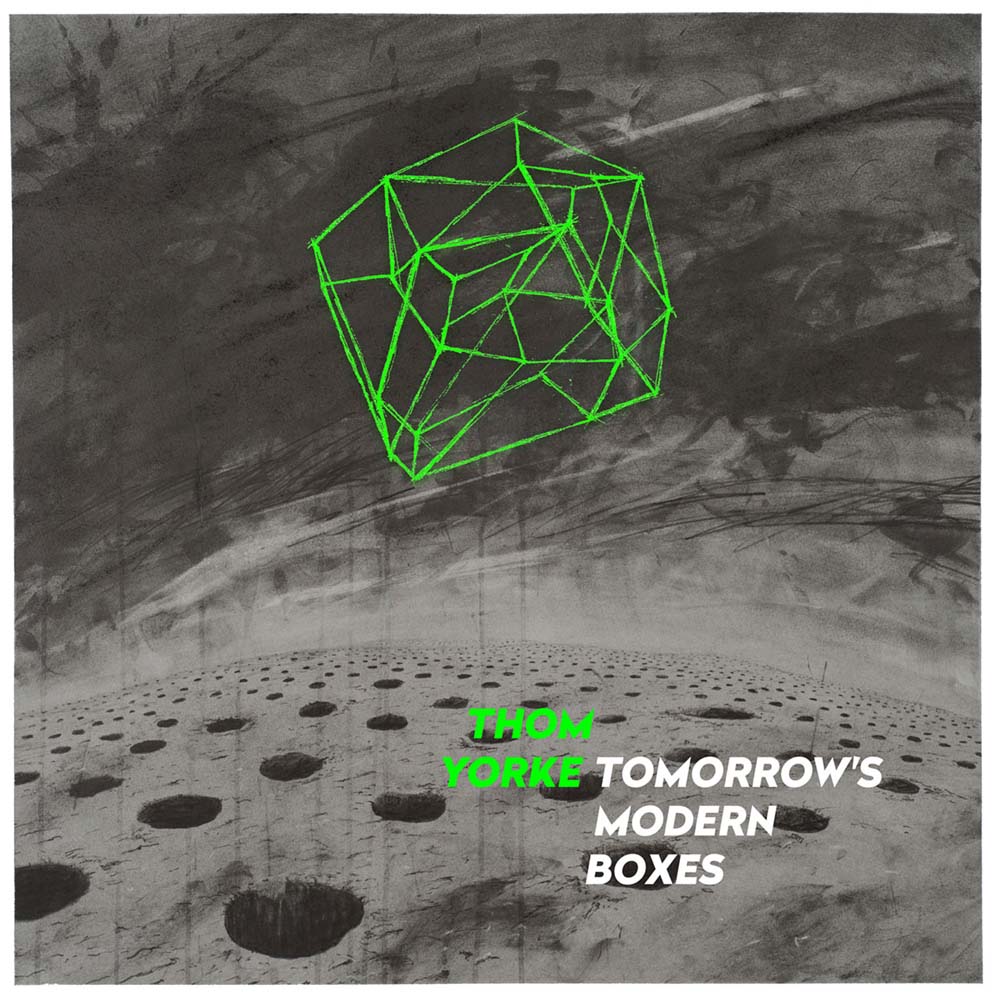
Thom-Yorke-Tomorrows-Modern-BoxesBy Spencer. As pissed as much of the American public seemed to be at getting a free U2 album dropped into their iTunes library by surprise, no one must be more pissed about it than Radiohead’s Thom Yorke. He had probably been planning the surprise release via BitTorrent of his new solo album, Tomorrow’s Modern Boxes, for weeks or months, and now a band as unhip as U2 is beating him to the punch? What’s more, I’m sorry to say that U2’s album is a thoroughly better piece of music—more adventurous and way more entertaining. By comparison, Yorke’s latest sounds stuffy, uninspired, and may I say, a little boring? Continue reading

The Critic: Ryan Adams & The Meaning Of Ryan Adams

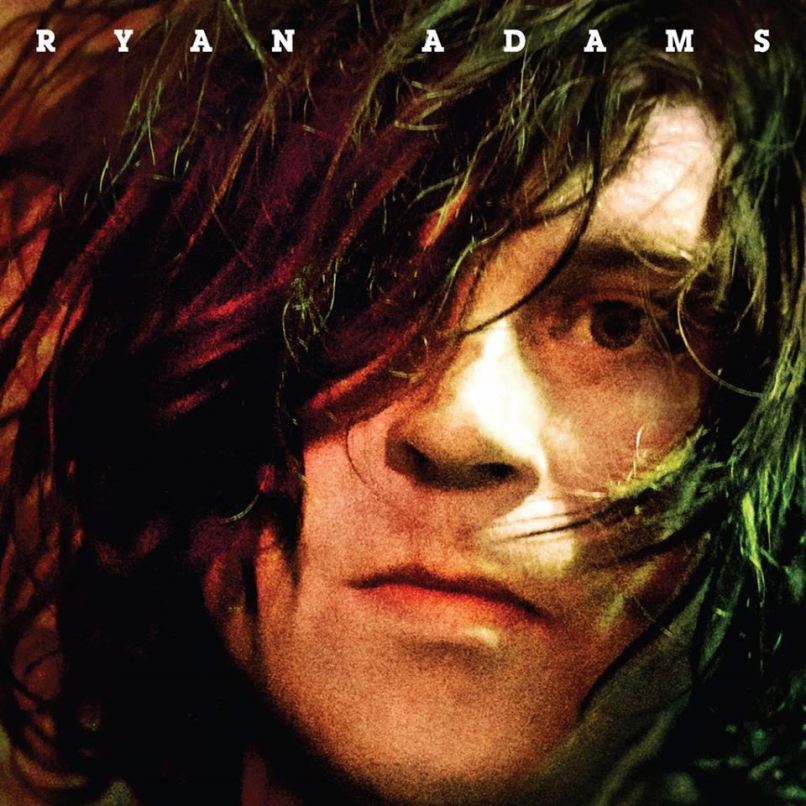
ryan-adams-new-albumBy Spencer. Ryan Adams has always been two artists: the hard-mouthed alt-country troubadour and the 80s rock nostalgia junkie. So what should we make of the fact that his latest album is simply named Ryan Adams? Is it a rejection of the duality I just described? Does he think this batch of songs represents the real Ryan Adams? Or after thirteen albums as a solo artist, has he just stopped giving a shit about naming these things? Whatever the answer, Ryan Adams the songwriter has clearly touched on something, because Ryan Adams the album is the first truly great rock record he’s put together. Continue reading

The Critic: Scarlett Johansson in Lucy

lucy-scarlett-johansson-posterBy Spencer. Most movies only use ten percent of their brain. Lucy is one of them.

It’s a dumb person’s idea of what a smart movie should be. I’m setting aside the fact that its most basic premise — we only use 10% of our brain — is a complete myth, because if I started worrying about stuff like that, I’d never be able to go to movies anymore. No, the stupidity of Lucy isn’t just in the science (though there’s plenty of that too) but in the nonsensical plot, the amateurish editing, and the way it interjects shallow armchair philosophy at every turn, like a college freshman on pot trying to impress everyone with how much he learned in his “Intro to Nietzsche” course. That such a moronically executed script happens to be a story about higher intelligence is the final irony, and if director Luc Besson (The Fifth Element, The Professional) were trying to make this film as some kind of a piece of satire on that point, it might have at least been worth the trouble. Sadly, he’s dead serious.  Continue reading

The Critic: Richard Linklater’s Boyhood

boyhoodBy Spencer. When you write movie reviews, there’s nothing more boring than finding new ways to heap praise upon a picture. So I’m sorry to say that Boyhood isn’t just the frontrunner for the Oscar this year; it’s one of the finest films ever made. The premise is simple: Richard Linklater (Dazed And Confused, Before Sunrise) filmed the life of a child (Ellar Coltrane in a star-making role) a little each year over the course of 12 years, capturing for the first time in movie history a truly realistic coming-of-age story. That’s the gimmick. But Boyhood is so much more than that. Continue reading

The Critic: First Aid Kit’s Stay Gold

fak2
By Antony.
Nature’s first green is gold,
Her hardest hue to hold.
Her early leaf’s a flower;
But only so an hour.
Then leaf subsides to leaf.
So Eden sank to grief,
So dawn goes down to day.
Nothing gold can stay.

First Aid Kit’s Stay Gold is, in a way, a long meditation on Robert Frost’s “Nothing Gold Can Stay.” I don’t know if the Söderberg sisters found the poem as a nice way to sum up what they were already writing or if the poem itself opened previously locked doors to them. Either way, as a listener, the album and poem should be taken together, allowed to work on one another in turn. Continue reading

The Critic: Lana Del Rey’s Ultraviolence

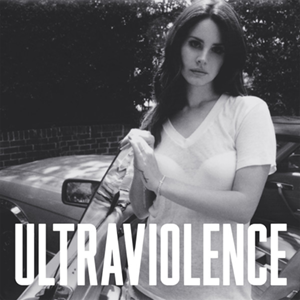
UltraviolenceLDRBy Spencer. It’s not cool anymore to like Lana Del Rey. It was cool for about a month, back when she was blowing up the internet with the song “Video Games” and she didn’t even have an album yet. But as soon as Born To Die was released and she started making promotional appearances, it became immediately apparent that she was actually trying to be cool, and there’s nothing more uncool about that — even if she was doing it ironically, and doing things ironically is the pinnacle of cool. The thing is, Lana Del Rey knows all this. It’s practically all her music is about. And cool or not, her new album, Ultraviolence, stays true to all that Lana Del Rey is while also managing to take a few small steps forward.  Continue reading

The Critic: Noah Gundersen’s Ledges

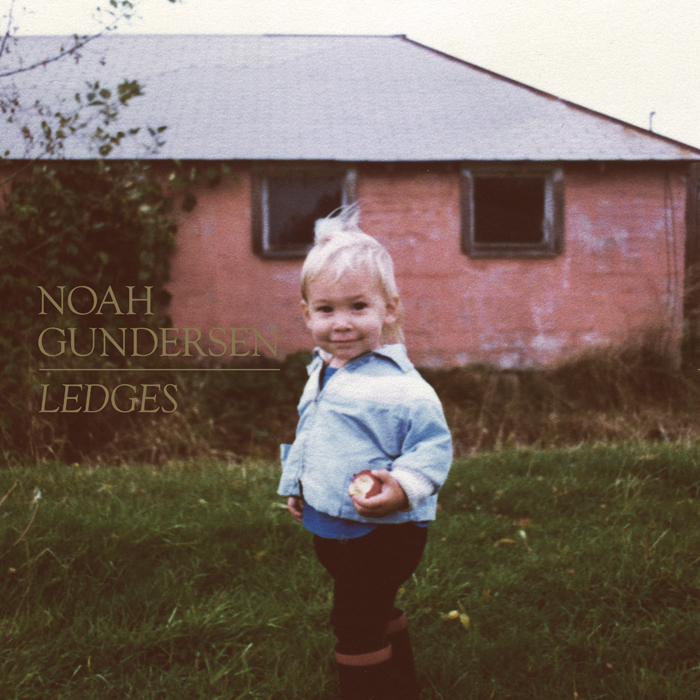
Ledges-CoverLOBy Spencer. “Don’t you wish you could go back? / When your heart sang like a burning branch / When your songs sang themselves from the bottom of a well,” Seattle singer/songwriter Noah Gundersen sings on “Separator,” from his latest album, Ledges. And yes, I do wish that. I wish more music still felt that way. But even though Gundersen asks the question in the past tense, he doesn’t need to — at least not where his own music is concerned. Because the songs on Ledges feel like something out of the past, something that aches like lost chances and burned-out youth. Which is to say, they make you feel alive in all the best ways. Continue reading

The Critic: Tom Hardy in Locke

locke-poster1By Spencer. One of the more surprising (and satisfying) parts of growing up is that shift that happens when you realize you now enjoy the talking scenes in movies more than the ones where shit blows up. If you don’t know what I’m talking about, then you might want to skip Locke, the new one-man movie from director/writer Steven Knight and star Tom Hardy. Because while shit definitely blows up, it’s only in the dialogue and in the vivid emotions that Hardy and Knight squeeze out of one late night drive between Birmingham and London.

Locke is like no movie you’ve ever seen. Ever. If you’ve been missing the days of intelligent films for adults, make time on your summer movie calendar for something different, something … real.  Continue reading

The Critic: Coldplay’s Ghost Stories and The Black Keys’ Turn Blue

Coldplay_-_Ghost_StoriesBlack_Keys_Turn_Blue_album_coverBy Spencer. Neither band was supposed to get this big. When Coldplay started out, they were Radiohead Lite, with maybe a dash of U2’s soaring theatrics. When the Black Keys started out, they were just another in a long line of garage bands; even their name suggested a White Stripes ripoff. Since then, they’ve each taken their turn as the biggest band on the planet, and (some would say) they’ve both lost their edge.

Now they’re both back with new albums: Coldplay’s Ghost Stories and the Black Keys’ Turn Blue. Do the titles suggest a certain defensiveness – an acknowledgment of sorts that their reputations are in decay? Or are they flipping a sarcastic middle finger at the critics who may have prematurely written them off?  Continue reading