The Projects: The Essential 90s Albums, #5-1

mosh3

By The S&N Staff. All things must end. And even though it took almost as long to count down our favorite albums of the 90s as it did to actually make it through the 90s, we’re finally ready to give you our top five. While it should come as no surprise that bands like Nirvana and Radiohead top out our list, you just may be surprised at which order they placed once the final votes were tallied. Continue reading

The Mixologist: Solidarité

paris4By Spencer. I don’t profess to be an expert on French music by any means. But with the events of Friday night, I imagine a lot of us who have visited or lived in Paris can’t help but feel the need for a moment of reflection. The motto of our predecessor site, After The Radio, was “music softens walls”—which is something I’d like to believe now more than ever. And though it seems naive to think that music could ever truly “heal” in the sense that the people of Paris need in these particular days, maybe at least it can soften the pain, if not the walls that lead to tragedies like this. So if you’re in need of a little softening, I hope you’ll take solace in this playlist, featuring landmark French artists like Edith Piaf, Django Reinhardt, Françoise Hardy, Claude Debussy, Daft Punk, Phoenix, and of course the father-and-daughter pair of Serge and Charlotte Gainsbourg—along with a few tributes to the City of Lights from closer to home. And of course we had to include a little parting shot from a certain band whose music will now forever be an act of defiance to those who would try to drag us down into the darkness with them. Liberté, égalité, fraternité, solidarité…. Continue reading

The Consumer: The New Monsters Of Classic Metal

uncleacidbanner

By Spencer. A year ago, I declared that rock was officially dead. That doesn’t mean that there aren’t bands out there fighting the good fight, though. Maybe it’s my recent reintroduction to vinyl talking, but I’ve been on kind of a classic metal awakening lately. Not glam metal or death metal, but the true roots of metal, back when it first sprung loose from hard rock—I’m talking bands like Black Sabbath, Alice Cooper, Judas Priest, Kiss, and of course, Led Zeppelin. (Though I still insist that it’s a crime to categorize Led Zeppelin first and foremost as a metal band, since their music completely transcended that genre). This brand of early metal gives you the best of both worlds: the darkness and attitude that eclipses mere rock, and the melody, songcraft, humor, and simple fun that were missing from later metal.

But before you accuse me of living in the past, this edition of The Consumer takes a look at a few bands that are reviving that classic metal sound in the here and now. Continue reading

The Projects: Horror Flicks That Don’t Suck

itfollows

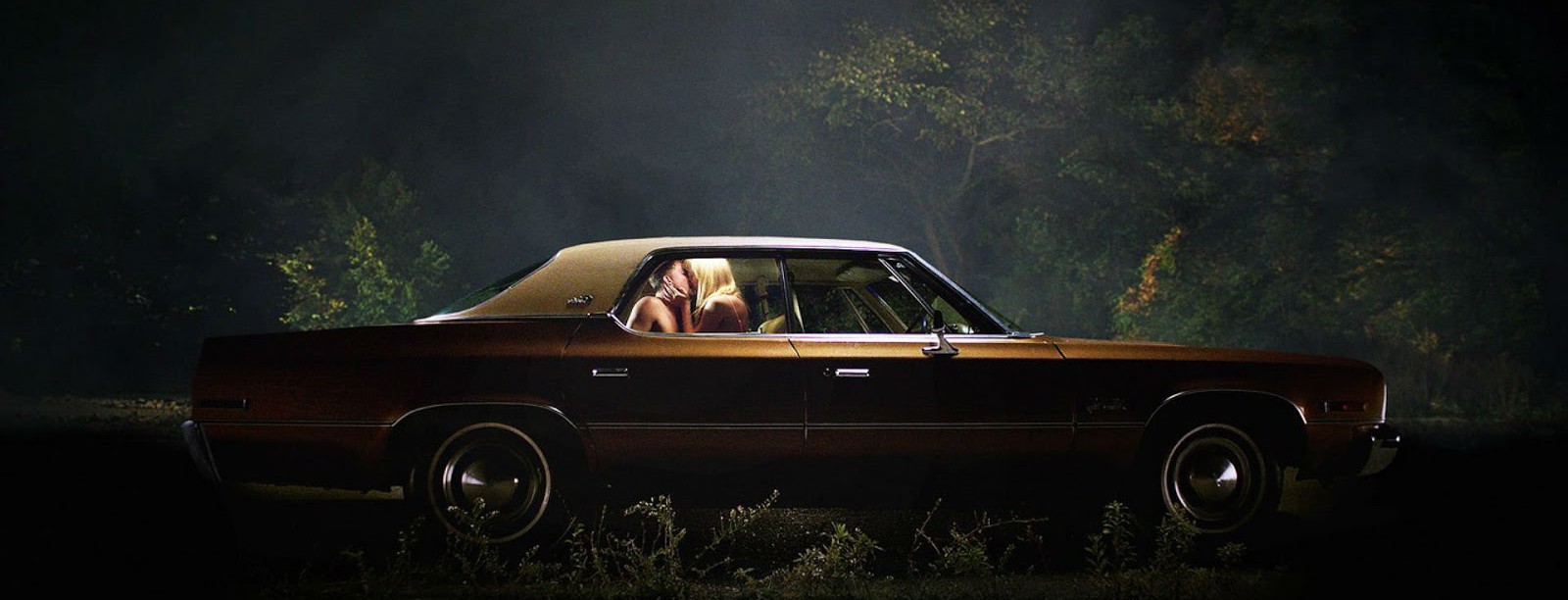
By Spencer. I don’t do costume parties. When Halloween comes around, the only acceptable form of celebration for me is to dim the lights, raid the bowl full of candy I bought for the trick-or-treaters, and watch a classic horror film or two. I say “classic” because, right now, mainstream horror flicks are in the biggest rut we’ve ever seen. In the past fifteen years or so—really ever since Wes Craven brought the genre back from the dead with Scream—horror movies have devolved into a pastiche of terrible cliches. From the torture porn of Saw to the shaky cam “found footage” pictures that come out seemingly every week, it doesn’t feel like Hollywood is trying anymore. Horror is there just to make a quick buck, with films done fast and cheap and according to a formula that guarantees several dozen jump-from-your-seat moments and not a second of genuine fear.

So this Halloween, forget the theaters. The best horror movies are the ones playing at home: The Exorcist, The Shining, Halloween, Night Of The Living Dead, Carrie, even the original black-and-white Frankenstein. You don’t need me to tell you about those. Instead, I’ll give you some less conventional picks you can stream from the darkness—and safety—of your own couch. Continue reading

The Projects: The Essential 90s Albums, #10-6

flannel2By The S&N Staff. Over the past few months, S&N has been counting down our list of the essential 90s albums. So far, we’ve seen historic albums from Nine Inch Nails, Biggie, Green Day, Beastie Boys, Counting Crows, Rage Against The Machine, Oasis, and plenty of others. Today, we finally reach the top 10, and it should comes as no surprise that there’s hip-hop, nerd rock, and of course, plenty of grunge. We start with a band better known for their 80s output—and a 1992 masterpiece that may (or may not) be their best work. Continue reading

The Critic: Josh Ritter’s Sermon On The Rocks

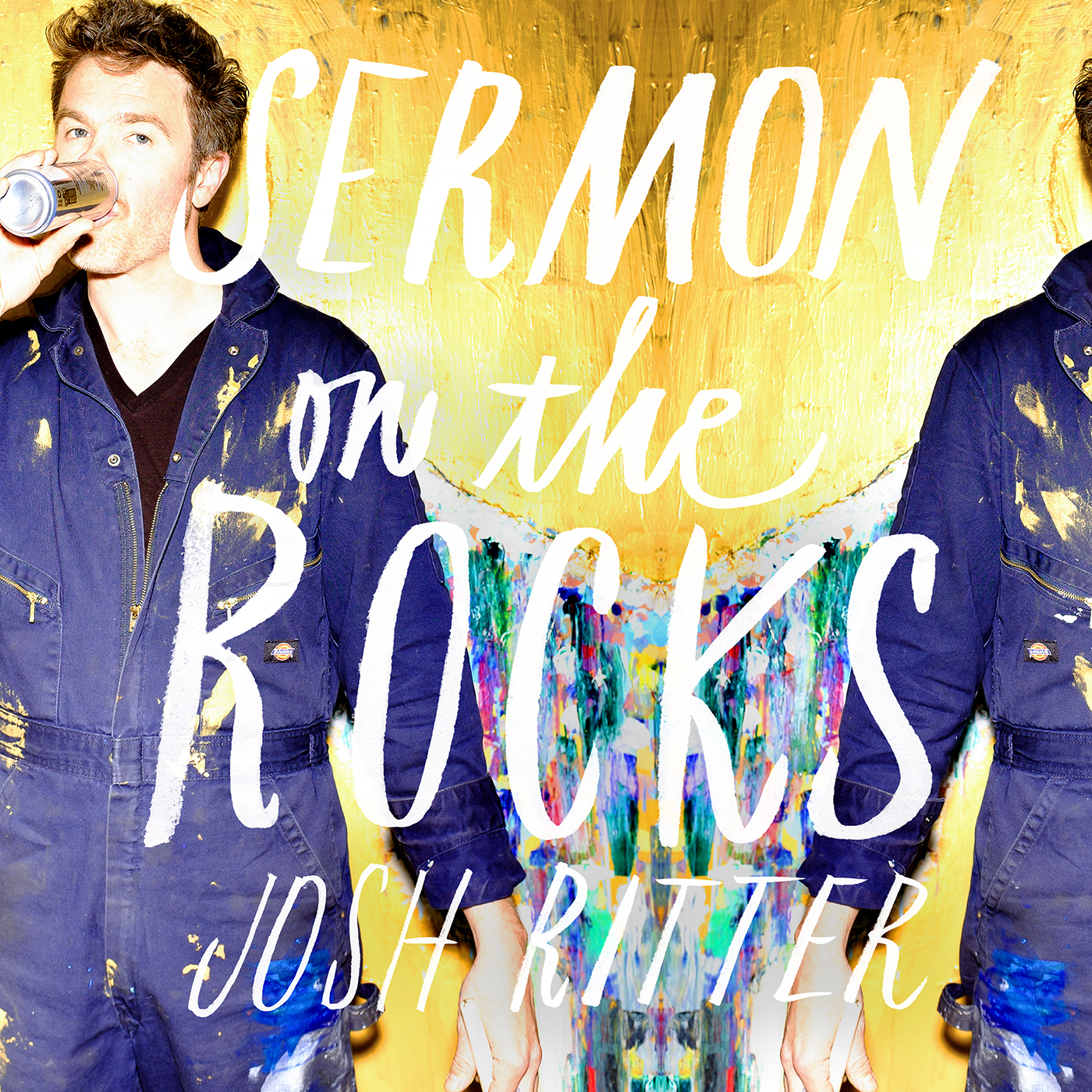
JRSermonBy Spencer. Americana should be a thing of the past by now. I mean, it obviously is a thing of the past, literally speaking. But the fad that kicked into overdrive six years ago with Mumford & Sons and The Lumineers should have burned itself out by now. (Hell, if you listen to Mumford’s latest album, 2015’s lackluster Wilder Mind, it’s pretty clear even they have moved on—even if that was a mistake). The shame of it is, there are those who never were part of the fad, who were doing this kind of music simply because they loved it, because it spoke to them and spoke through them. They were there long before the hipsters took hold of it and made it part of a broader aesthetic movement of ironic handlebar mustaches, mason jar cocktails, and reclaimed hardwood decor. Josh Ritter should by all rights be the face of Americana—he’s been doing it since his 1999 debut, and for a three-album stretch that included 2006’s The Animal Years, 2007’s The Historical Conquests Of Josh Ritter, and 2010’s So Runs The World Away, he did it better than just about anyone. Back this week with Sermon On The Rocks, Ritter is lyrically laying claim to that mantle once again, even as his sound takes a few bold steps beyond all that. Continue reading

The Consumer: September Picks

By Spencer. September was full of so many big releases, I’m still working my way through them all. So while we very well may have more to say about The Dead Weather, Gary Clark, Jr., Foals, Beach House, Joan Shelley, CHVRCHES, Patty Griffin, Silversun Pickups, and plenty of others, today’s edition of The Consumer is a progress report of sorts on several artists who have been longtime favorites of the site. We start with Glen Hansard. Continue reading

The Projects: Musicals That Don’t Suck

golddiggers1

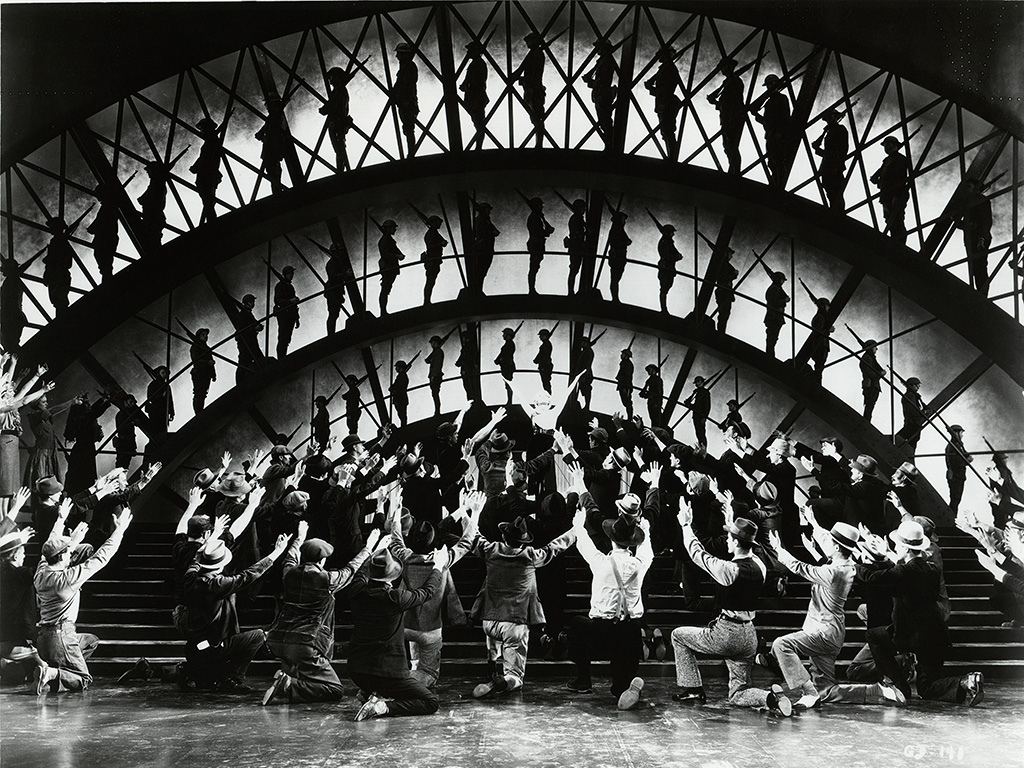
By Spencer. This is a website that celebrates both movies and music, so you know an article like this was inevitable. In revisiting our ongoing Movies That Don’t Suck series, it seems like the perfect time to look at the movie musical—the bane of the true music fan’s existence. Maybe our generation has such trouble accepting the musical because we were the first to be raised with movies that actually aspired toward realism—and there’s nothing realistic about spontaneously breaking out into song. But for the first half-century of filmmaking, the musical was Hollywood’s go-to crowdpleaser. And you don’t have to look beyond Bollywood to see that, even today, other cultures don’t share the modern American disdain for this genre. Continue reading

The Theorist: Ending Franchise Continuity (As We Know It)

starwars

By Spencer. A recent piece on io9 examined the contrasting ways that two mega-franchises—DC Comics and Star Wars—have recently attempted to make their sprawling backstories more accessible to new viewers and readers. After rebooting their entire comics line in 2011 with the “New 52,” DC is un-rebooting its universe with the Convergence event, bringing together competing visions of characters like Superman and Batman from different continuities in another confusing reshuffle. Meanwhile, with Star Wars: The Force Awakens coming to theaters this December, new franchise-owner Disney is simplifying things. They are wiping the slate clean on the huge Expanded Universe of books, comics, and video games that, over the past two decades, has mapped out several thousand years of history in that galaxy far, far away. Now, only the movies and the two animated series, The Clone Wars and Rebels, will be considered “canon.”

The question you’re no doubt asking right now if you’re not a Comic-Con-attending cosplayer is, “who cares?” But I’ll go you one better, because I think it’s time that even the most obsessive fans start asking the same question. Why, if at all, does continuity matter anymore? Is it time to leave the whole concept behind? Continue reading

The Projects: The Essential 90s Albums, #25-21

By The S&N Staff. There may be some generational bias at play here, but the 90s just might’ve been the peak of the album experience. In that gap in time between the MTV and radio dominance of the 80s and the Napster and iTunes takeover of the 2000s came a wave of rock and hip-hop artists who saw music as more than just a collection of singles. Whether fueled by nostalgia for the classic rock era of the concept LP, or a reflexive cynicism of “selling out,” these artists had ambitions toward a higher level of creativity. Continue reading

The Stagediver: Foo Fighters 20th Anniversary Blowout @ RFK Stadium, Washington, DC

tumblr_nqzzwnNEET1tiaps1o1_1280

By Spencer. “Did you think there was any fucking way I was gonna cancel this show?!” Dave Grohl screamed from his throne at center stage—a contraption made up of lights and guitar necks that was seemingly dreamed up by some unholy mind meld of George R.R. Martin, George Clinton, and George Jetson. Grohl broke his leg two weeks ago when he fell off the stage during a show in Sweden, and everyone had feared that yesterday’s festival, commemorating the 20th anniversary of the band’s 1995 self-titled debut album, might not go on. But just as they’ve been doing for two decades and counting now, the skeptics underestimated Dave Grohl. Continue reading

The Mixologist: The Other 80s

80sboombox
By Spencer. When I dared last week to make a statement about what the definitive soundtrack to the 80s should be, I knew I’d be wandering into controversial territory. As Antony pointed out, I set the rules for my list—artists who in my opinion transcended the 80s were immediately disqualified—in a way that shut off all debate. And while dodging debate is never my goal, it’s true that I intentionally focused on a narrow subset of quintessentially 80s music: pop music full of synths and saxophones and sounds we haven’t really heard from the music of any other decade. But I was also quite clear that I was in no way attempting to speak to what the “best” songs of the 80s were.

Meanwhile, Biff pointed out from the flip side of the argument that there were a lot of artists on the forefront of the alternative wave—bands like The Cure and The Smiths and The Pixies—as well as a lot of early hip-hop that I excluded from my list. As he noted, that music defined the 80s for a smaller but hugely important contingent of listeners—making my list somewhat less than “definitive.” Well, today, I’m more than happy to answer their charge with a playlist focusing on the other 80s. Continue reading

The Mixologist: The Definitive 80s

80s
By Spencer. Look, at this point in our internet-fueled lives, we all know that a top 100 list is more useful for provoking arguments than for actually ranking anything. So it’s with great hesitancy that I take the bait here, but a few weeks ago, I came across this list of the top 80s songs from NME, and I just have to protest. New Order’s “Blue Monday” at number one? A top twenty featuring The Cure, The Smiths, Joy Division, The Stone Roses, The Pixies, and The Jesus And Mary Chain? I’m not debating the merit of any of these artists. But these are only the best 80s songs when viewed through the lens of the 90s. They’re listed for their influence on future artists, not for their quintessence to their own era. I lived through the 80s, and I can tell you firsthand that these are not the songs I remember when I think of those days. In focusing on artistic quality, NME fundamentally failed to grasp the essence of 80s music. That’s why I’m here to help. Continue reading

The Mixologist: The Good In Goodbye

trainBy Spencer. Maybe it seems strange, after a long hiatus, to say hello to this site again with a mix about goodbyes. But goodbyes aren’t such awful things. They can be the first step in moving on. They can be the first step in coming home. They can take you to beautiful new places or help you leave behind your troubles for a while. They can remind you how much you miss someone. They can remind you never to leave them again. You can say goodbye to people and to places. And sometimes, in the never-ending effort to find yourself, you have to say goodbye to your preconceptions. These are eleven songs about goodbyes: mostly happy ones, maybe a couple of sad ones, but all of them with a purpose. Continue reading

The Critic: S&N’s 2015 Oscar Picks

By Spencer. Back in July, I boldly predicted that the Oscar race was already over: Boyhood would be winning the Best Picture trophy, end of story. But the media has a funny way of making a horse race where there is none. And so what started out as an early victory lap for Boyhood—the near unanimous picture of the year among the film critic circles—has now found room for a late charge from Birdman. It’s a fascinating contest, because the two movies are so very different from one another: a subtle, realistic, and heartwarming character piece about the wonders of ordinary life versus a biting, surrealistic, and somewhat disturbing satire about the horrors of celebrity. If you follow the momentum trackers in the entertainment media, Birdman has been steadily gaining on Boyhood in the last few weeks. Will the upset happen? We’ll get to that. First, S&N’s pick for who will win (and who should win) the top Oscar categories on Sunday. Continue reading

The Historian: Masters Of The B-Side

PicCollageBy Spencer. In today’s day of single-song iTunes downloads, the B-side is something of an archaic institution. Strictly speaking, “B-side” once referred to the extra tracks that would be packaged onto a single, and distinguished such songs from the “A-sides” that comprised the single itself. Today, we don’t really package singles that way, so the closest analog is an EP track—but we’re going to start running out of letters if this keeps up. So when I refer to B-sides, I’m going to depart with the conventional nomenclature a bit and loosely include any of an artist’s songs that did not appear on a proper album—so pure singles, along with tracks appearing on EPs, soundtracks, and compilations, and even unreleased or bootleg rarities that make their way onto the internet. These are the songs that, for whatever reason, the artist holds back from the album; maybe they just aren’t as good, maybe they were recorded at a standalone studio session, or maybe they just didn’t fit in with the rest of the album’s aesthetic. There’s an automatic tendency to assume that these songs are inferior to the rest of an artist’s output. And that’s what I’m here to dispel. Because there have always been a few artists who take the B-side a little more seriously, and a deeper look at their B-sides will reveal some of their most rewarding or unique work. Continue reading

The Professor: Ryan Adams 101

RyanAdams_MoroccanRoleBy Spencer. If previous writings (such as this, this, this, this, this, or this) haven’t made it clear, Ryan Adams is a longtime favorite on this site. But with a catalog spanning fifteen official solo albums, three Whiskeytown albums, numerous EPs, and probably a dozen more unreleased albums worth of material that you can find in various disreputable corners of the internet, well, he can be an intimidating artist for novices. With so much material to choose from, and so many different sounds to his name, where do you start? That’s where I’m here to help. Continue reading

The Year In Movies 2014: Spencer’s Picks

boyhoodBy Spencer. Ranking the best movies of the year isn’t nearly as simple a task as writing a year-end list for music. None of us at S&N are professional critics, so we’re limited to the movies we managed to see during the year—and as you might imagine, thanks to the time demands of visiting a theater, we consume a lot fewer movies than albums. There are a whole slew of films I wanted to see this year, but still haven’t had the chance: The Imitation Game, Whiplash, Unbroken, Birdman, Nightcrawler, Mr. Turner. So bear that in mind when reading my picks for the best movies that I personally watched in 2014. Some are art-house obscurities and some are summer blockbusters, but all of them impressed me in their own way. And no movie, of 2014 or probably the last decade, impressed me as much as Boyhood. Continue reading

The Year In Music 2014: Spencer’s Picks

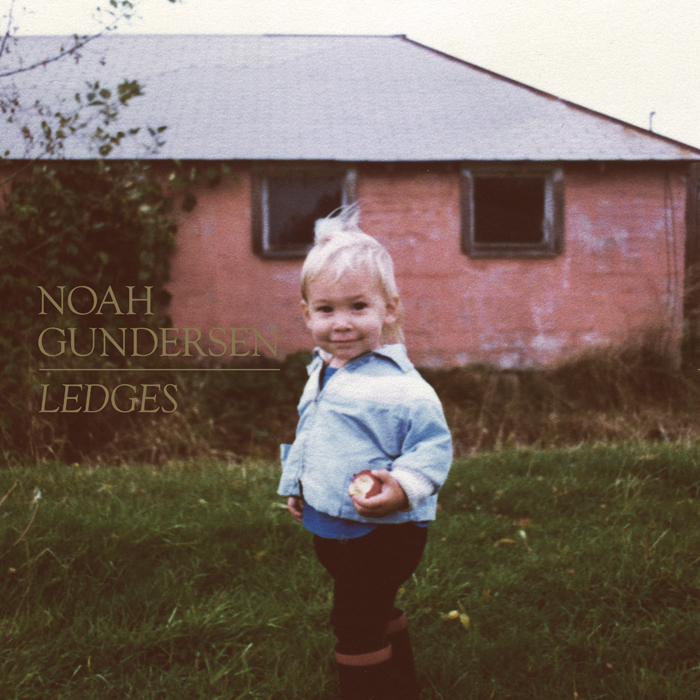
Ledges-CoverLOBy Spencer. As a music blogger, there’s no better time of year than now. Ranking the year’s best releases isn’t just an exercise in appreciating greatness; it’s food for argument. So expect plenty of that as our S&N contributors use the next few weeks to rank their favorite music of 2014. The comments section will no doubt be heated!

If you read my 2013 list over at After The Radio, you know I was less than impressed with last year’s output. My principal complaint? In a year of many good albums, there were no great ones. I’m happy to report that 2014 did not follow that trend. My top five albums this year were each perfect from start to finish.  Continue reading

The Historian: Twenty Years After Pulp Fiction

movie-poster-pulpfictionBy Spencer. Today, Quentin Tarantino’s masterpiece, Pulp Fiction, turns 20. And it’s not hyperbole to suggest that no more influential film has been made in the two decades since. Seriously, name one. You can’t. Pulp Fiction may have borrowed much from Martin Scorsese, Jean-Luc Godard, 70s blaxploitation, 40s film noir, Saturday morning cartoons, MTV music videos, Jerry Seinfeld, and even M.C. Escher—but the fact that I can seriously describe one movie incorporating all those influences is signal enough of its place in history. Quentin Tarantino reinvented the techniques of moviemaking on a level we hadn’t seen since Orson Welles, and haven’t seen again since. The non-linear chronology. The omnipresent pop culture references. The hand-selected, retro soundtrack. The use of nostalgia as a stylistic device. The extremely naturalistic, conversational execution of completely absurdist dialogue. Tarantino may not have invented any of these techniques, but he’s probably the person most singularly responsible for bringing them into commonplace use among filmmakers. And a film that had every reason to feel dated by now is, twenty years later, even more rewarding than it was in its youth. Continue reading